

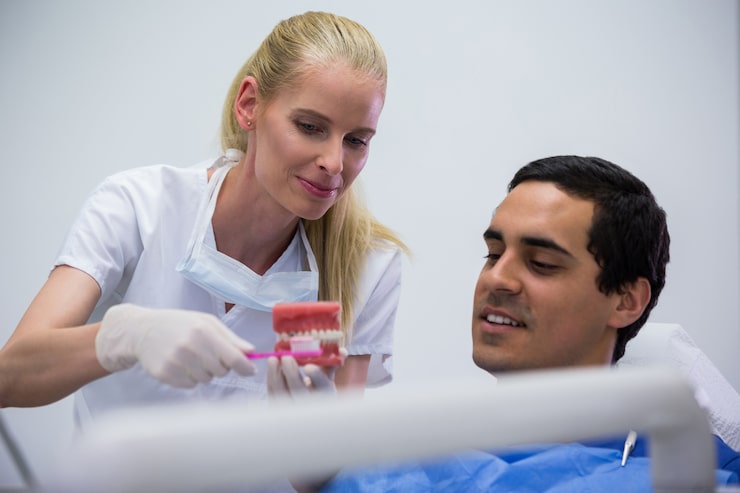
Dental implants have become the gold standard for replacing missing teeth because they provide stability, durability, and a natural appearance. Unlike dentures or bridges, implants integrate directly with the jawbone, functioning like natural tooth roots. However, successful implantation depends heavily on the quality and quantity of available bone. When bone loss occurs due to tooth extraction, gum disease, trauma, or long-term denture use, additional procedures may be required before implants can be placed.
Patients considering implants often begin by consulting a skilled Lake Mary dentist or similar professional who evaluates bone density, oral health, and overall suitability for treatment. This comprehensive assessment determines whether the jawbone can support an implant or if preparatory procedures are necessary.
For individuals seeking dental implants in Lake Mary or elsewhere, bone grafting frequently plays a critical role in creating a stable foundation. By rebuilding lost bone, this procedure significantly improves the likelihood of long-term implant success and functional restoration.
Understanding Bone Loss After Tooth Loss
The jawbone relies on stimulation from natural tooth roots to maintain its strength and volume. When a tooth is lost, this stimulation disappears, triggering a process called bone resorption. Over time, the bone gradually shrinks in height and width, altering facial structure and compromising oral function.
Bone loss can begin within months after extraction and continue for years if untreated. Advanced periodontal disease can accelerate this process, destroying both bone and soft tissue support. Trauma, infections, and congenital conditions may also contribute to insufficient bone volume.
Without adequate bone, implants cannot achieve proper stability, increasing the risk of failure. Bone grafting addresses this problem by restoring the necessary structure for secure placement.
What Is Bone Grafting?
Bone grafting is a surgical procedure that rebuilds or augments the jawbone using natural or synthetic materials. The graft serves as a scaffold that encourages the body to generate new bone tissue, eventually integrating with existing bone to create a strong foundation.
Several types of graft materials are commonly used:
- Autografts (bone taken from the patient’s own body)
- Allografts (donor bone from another human source)
- Xenografts (bone derived from animal sources)
- Synthetic materials designed to mimic natural bone
Each option has specific advantages, and the choice depends on factors such as defect size, patient health, and surgeon preference.
Types of Bone Grafting Procedures
Bone grafting techniques vary according to the location and extent of bone deficiency. One standard procedure is ridge augmentation, which restores the width or height of the jawbone after significant resorption.
Another widely performed technique is the sinus lift, used when the upper jaw lacks sufficient bone due to proximity to the sinus cavity. This procedure elevates the sinus membrane and places graft material beneath it, creating space for new bone growth.
Socket preservation is often performed immediately after tooth extraction to prevent bone loss. By filling the empty socket with graft material, dentists maintain the natural contour of the jaw.
Each technique aims to provide a stable base for future implant placement.
The Healing Process and Osseointegration
After graft placement, the body initiates a healing process in which new bone cells gradually replace or integrate with the graft material. This process, known as osseointegration, is essential for long-term implant stability.
Healing time varies depending on the size of the graft and individual factors such as age, health, and smoking status. In many cases, several months are required before the bone is strong enough to support an implant.
During this period, patients must follow postoperative instructions carefully to protect the graft site and promote successful regeneration.
Benefits of Bone Grafting for Implant Success
Bone grafting offers numerous advantages that extend beyond enabling implant placement. Restoring lost bone volume improves both function and aesthetics.
Key benefits include:
- Increased implant stability and longevity
- Preservation of facial structure
- Improved chewing efficiency
- Enhanced support for surrounding teeth
- Better overall oral health
Without sufficient bone, implants may loosen, fail, or cause complications. Grafting significantly reduces these risks and ensures predictable outcomes.
Who Needs Bone Grafting?
Not every implant candidate requires bone grafting. Patients who have recently lost a tooth and maintain healthy bone levels may proceed directly to implant placement.
However, grafting is often recommended for individuals with:
- Long-standing missing teeth
- Advanced gum disease
- Trauma-related bone loss
- Thin or narrow jaw ridges
- Previous unsuccessful implant attempts
Comprehensive imaging, such as 3D cone-beam CT scans, enables dentists to evaluate bone structure and determine the need for augmentation accurately.
Risks and Safety Considerations
Bone grafting is generally safe and well-tolerated, but, as with any surgical procedure, certain risks exist. These may include infection, swelling, minor bleeding, or graft rejection, although serious complications are uncommon.
Choosing an experienced dental professional and adhering to postoperative care instructions significantly reduces these risks. Patients with underlying medical conditions should disclose their full medical history to ensure appropriate precautions are taken.
Most individuals recover comfortably and resume normal activities within a few days.
Postoperative Care for Optimal Healing
Proper aftercare is essential for successful bone regeneration. Patients are typically advised to avoid disturbing the surgical site, maintain good oral hygiene, and follow dietary restrictions during the initial healing phase.
Soft foods, adequate hydration, and prescribed medications support recovery. Smoking and alcohol should be avoided, as they can impair blood flow and delay healing.
Follow-up visits allow the dentist to monitor progress and address any concerns promptly.
Advances in Bone Regeneration Technology
Modern techniques have significantly improved the effectiveness and comfort of bone grafting. Growth factors, platelet-rich plasma (PRP), and biologically active materials enhance the body’s natural healing response, accelerating bone formation.
3D imaging and computer-guided planning enable precise placement of grafts and implants, reducing surgical time and improving outcomes. These innovations have expanded treatment possibilities for patients who were once considered unsuitable for implants.
Long-Term Outcomes and Implant Longevity
When combined with proper oral hygiene and regular dental care, implants placed in grafted bone can last for decades. Studies show success rates comparable to implants placed in natural bone, provided the procedure is performed correctly and healing is complete.
Bone grafting not only enables implant placement but also contributes to the long-term stability of surrounding structures, preserving oral health for years to come.
Building a Strong Foundation for a Lasting Smile
Bone grafting plays a pivotal role in the success of dental implant therapy. Restoring lost bone and creating a stable base allows patients with insufficient jawbone to benefit from one of the most advanced tooth replacement options available.
Although the process requires additional time and planning, the long-term advantages far outweigh the temporary inconvenience. Improved function, enhanced appearance, and increased confidence make bone grafting a valuable investment in oral health.
For anyone considering dental implants, understanding the importance of bone quality is essential. With modern techniques and skilled care, even patients with significant bone loss can achieve durable, natural-looking results, proving that a strong foundation truly is the key to a successful smile.
