

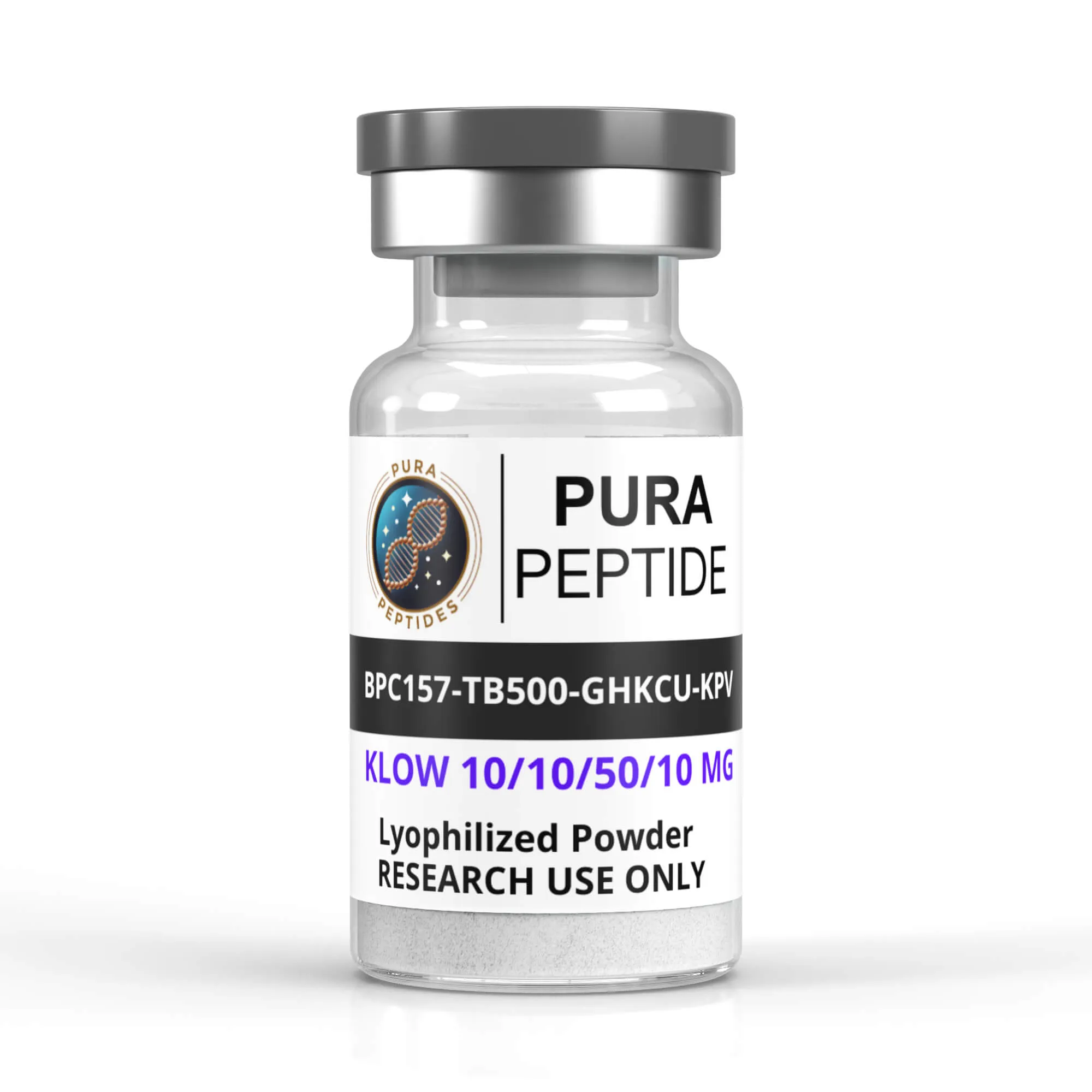
Research laboratories often have specific requirements when sourcing peptide materials, and an online search is only the beginning. When buying Peptide online, researchers should examine more than a product name or listed price. Product identity, purity information, testing records, documentation, storage guidance, and research-use limitations can all affect the purchasing decision. A well-organized supplier website can make this process easier by presenting technical details in a clear way. Taking time to compare these factors can help researchers make informed purchasing decisions and maintain better records for ongoing laboratory work.
Begin With Reliable Product Details
The first step is to understand exactly what a supplier is offering. Researchers should review the complete product page instead of relying only on the product title. Useful information may include the product name, quantity, stated purity, available testing documents, storage information, and research-use designation. Clear descriptions are particularly important when several products have similar names or abbreviations. Researchers can compare these details with the requirements of their project before making a decision. This approach reduces confusion and makes it easier to maintain an accurate laboratory inventory.
Examine the Supplier’s Quality Information
Quality claims are more useful when they are supported by documentation. Researchers evaluating a peptide supplier may want to determine whether products undergo third-party testing and whether certificates or analytical information are available. Pura Peptides highlights third-party testing and quality documentation as part of its research-focused approach. Researchers should nevertheless review the documentation associated with the particular material they are considering. Different products and batches can have different records, so general statements on a website should not automatically be treated as a substitute for product-specific documentation.
Do Not Assume a Blend Name Explains Everything
Peptide catalogs may include individual compounds, combinations, and blends, making careful product identification important. When researchers encounter a search term such as Klow blend, they should check the actual product description before drawing conclusions about its contents. Names used in online searches do not necessarily provide complete technical information. Researchers should examine the listed components, specifications, quantity, and documentation supplied for the product. This is particularly important when laboratory records need to identify exactly which material was purchased and associated with a particular research project.
Look Beyond the Purity Percentage
Purity is an important specification, but a percentage displayed on a product page should not be the only factor researchers consider. Supporting analytical documentation can provide additional context about a product or batch. Researchers can compare Certificates of Analysis and other available testing information when evaluating different suppliers. It is also useful to consider whether the supplier clearly explains its quality process. Product identity, consistency, documentation, storage information, and supplier transparency all contribute to a broader assessment and can be more informative than a single number.
Check Certificates and Batch Information
Certificates of Analysis can help researchers maintain organized records for purchased materials. Depending on the supplier and product, such documentation may contain information relating to identity, purity, concentration, batch details, or analytical testing. Researchers should check that the document corresponds with the product and batch they are receiving. Keeping these records alongside purchasing information can make later review easier. If a research project requires additional independent verification, supplier documentation should not automatically be treated as a replacement for the laboratory’s own approved testing procedures.
Review Storage Instructions Before Ordering
Storage should be considered before a research material arrives rather than after delivery. Individual peptides can have different storage requirements, so researchers should follow the instructions provided for the specific product. Laboratories should also have suitable procedures for receiving, labeling, and storing research materials. Recording the date received, product name, batch information, and relevant storage details can support better inventory management. Clear storage guidance from a supplier can make planning easier, but laboratory personnel should always follow their institution’s approved procedures and applicable safety requirements.
Consider Shipping and Packaging Practices
The purchasing process does not end when a product is added to an online cart. Researchers may also want to review shipping policies, processing information, tracking options, and packaging details. These factors can affect how a laboratory plans for incoming research materials. Clear communication is useful if an order is delayed or a researcher has questions about delivery. Packaging should also be appropriate for the product and consistent with any stated handling requirements. A supplier that provides straightforward shipping information can make routine purchasing easier for research teams.
Keep Research Use Clearly Defined
Research peptides should not automatically be treated as medicines, supplements, or consumer products. Pura Peptides presents its products for research use and states that they are not intended for human consumption or therapeutic purposes. This distinction is important when discussing these materials in a scientific context. Researchers should follow relevant laboratory procedures, institutional requirements, and applicable regulations. Product descriptions should also not be interpreted as evidence of approval for human treatment or other uses outside the stated research context.
Evaluate the Supplier’s Transparency
A supplier’s overall presentation can provide useful information about how it communicates with research customers. Researchers can examine whether product pages contain clear specifications, testing information, policies, and contact options. Transparent communication can make it easier to compare products and resolve questions before an order is placed. A large catalog does not necessarily indicate better quality. Consistent product information and accessible documentation may be more useful to laboratories that need to track materials carefully and make repeat purchases for ongoing research.
Conclusion
A careful online purchasing process can help researchers avoid confusion and make better decisions about laboratory materials. Before ordering, they should examine product information, testing records, certificates, storage instructions, shipping details, and research-use limitations. Search terms such as Kulow blend should be verified against the actual product information rather than assumed to describe a particular composition. Likewise, buying Peptide online should involve more than comparing prices. Reviewing evidence, maintaining records, and choosing transparent suppliers can support a more organized approach to responsible research material sourcing.
